Neighborhood Content That Ranks: A Beginner’s Guide to Hyperlocal SEO for Agents
Ask a buyer what they are searching for, and they rarely say “real estate agent.” They search for things like “best schools near me,” “quiet neighborhoods with parks,” or “is it a good time to sell in my town.” These questions include a place. That is hyperlocal search, and agents who answer those questions on their websites are the ones people find first.
Hyperlocal SEO is not about tricks. It is about being the most helpful source of information for a specific place. Here is how to get started.
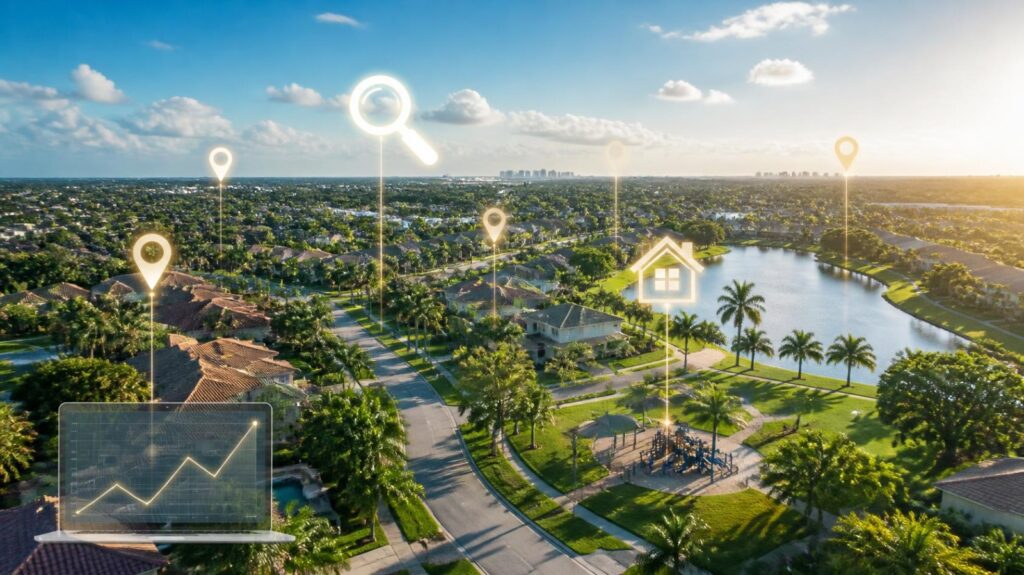
Think Like a Neighbor, Not a Salesperson
Most agent websites read like brochures: about me, my listings, contact me. Search engines and readers want something more useful. Instead of describing yourself, describe the community. What is daily life like? Where do people shop, walk, and eat? How is the commute? What are the local events?
Write as if you were explaining the area to a friend who is thinking about moving there. That natural, informative tone tends to serve both readers and search engines well.
Choose Topics People Actually Ask
Start by collecting questions. Pull them from client conversations, open house guests, social media comments, and the suggestions that appear when you begin typing a search on Google. Group them into themes:
- Neighborhood guides: what living in a particular area is like.
- Lifestyle questions: best parks, family activities, quiet streets, walkable areas.
- Buying and selling questions: timelines, costs, and local steps, explained plainly.
- Market snapshots: how the local market feels this quarter, without hype.
Each question can become its own page or blog post. Specific topics beat broad ones. “Weekend activities for young families near a park” is easier to rank for than “life in the city.”
Build a Simple Page Structure
For each neighborhood or topic, keep a clean layout:
- A clear title that includes the place name and the topic.
- A short introduction that answers the main question right away.
- Descriptive subheadings that break up the page.
- Photos or video, with meaningful file names and short descriptions for accessibility.
- Links to related pages on your site, such as your buyer guide or a listing search.
- A friendly invitation at the end to contact you.
Aim for pages that are genuinely useful, not just long. Quality and clarity matter more than word count.
Use Local Signals
Search engines look for signs that your content truly belongs to a place. Mention real landmarks, parks, schools, and community events where accurate. Embed a map. Make sure your business name, address, and phone number match your Google Business Profile. Link to reputable local sources, such as city event calendars, when it helps the reader.
Video is also powerful here. A short neighborhood tour embedded in your page keeps visitors on the site longer and gives you content you can reuse on social media and YouTube.
Keep Facts Fresh and Accurate
Local information changes. Restaurants close, event dates shift, and school details are updated. Review your neighborhood pages once or twice a year. Refresh photos, verify facts, and add a short “last updated” note if your website allows it. Fresh, accurate content builds trust with readers and signals care to search engines.
Be careful with claims about schools, crime, and demographics. Point readers to official sources rather than making statements you cannot back up, and follow fair housing guidelines by focusing on amenities and lifestyle, never on who lives in an area.
Publish Consistently
A single great page helps. A library of them can change your business. Aim for one new neighborhood or topic post every two weeks. Over a year, that is more than twenty-five pages of local expertise. As that library grows, more of your pages start to appear for more searches, and your website begins to work quietly in the background while you attend showings.
Share and Connect
Once a page is published, do not let it sit. Share it on social channels, include it in your newsletter, and add it to your video descriptions. Ask local businesses or community groups whether they would link to it. Every mention from a trusted local source strengthens your position.
Track Progress
Use free tools to see which pages attract visitors, which searches lead to them, and which pages produce inquiries. Double down on what works. If your guide to a certain community draws steady traffic, add supporting posts about its parks, events, and housing styles.
A Realistic Timeline
SEO takes patience. Expect to see early movement in weeks for very specific topics and steadier gains over several months. The agents who win are simply the ones who keep publishing when others stop.
If writing, formatting, and optimizing sounds like another full-time job, you do not have to do it alone. A dedicated team can plan topics, write posts, and publish them consistently, so your website becomes a lead source instead of a digital business card.
Want your local expertise to be found online? Book a free consultation with BrandLocally and let’s plan your first ten neighborhood posts.
Popular Articles




The 30-Day Video Calendar Real Estate Agents Can Actually Stick To